
Introduction
Many people wonder who needs dental bridges when facing missing teeth. Dental bridges candidates often seek missing teeth solutions to restore their smile and chewing ability. In fact, dental bridge benefits include improved appearance, better speech, and easier eating. If you have lost one or more teeth, you may be considering your options. This guide explains who may need a dental bridge, its advantages, and what to expect.
What Are Dental Bridges?
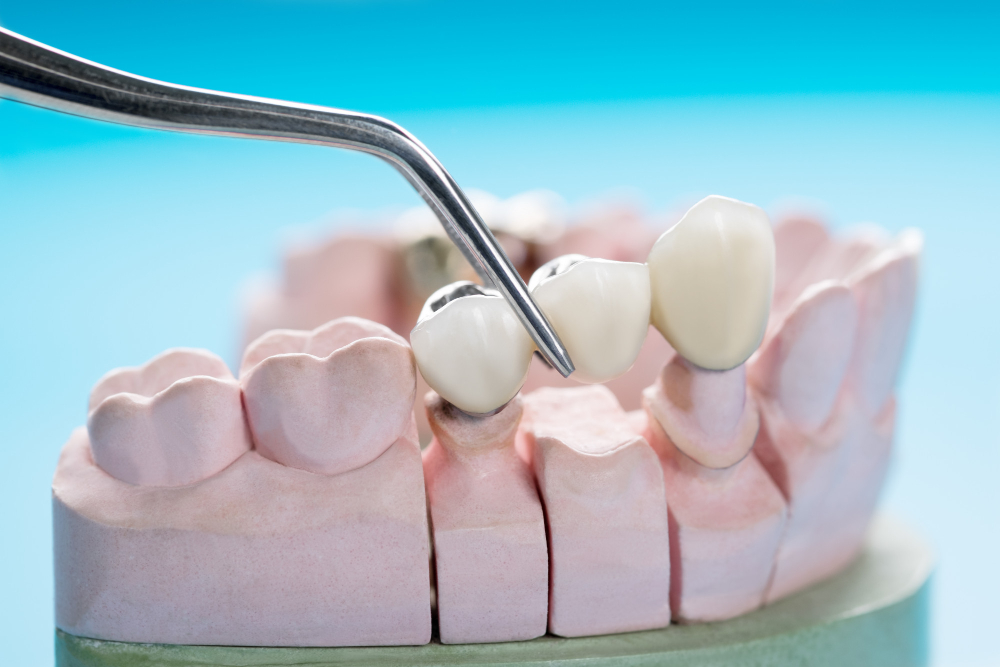
Dental bridges are fixed dental devices. They fill gaps left by missing teeth. Usually, a bridge uses the teeth on either side of the gap for support. These supporting teeth are called abutments. The false tooth in the middle is called a pontic. Dentists use materials like porcelain or ceramic for bridges. Because they are custom-made, bridges look and feel natural. According to the American Dental Association, dental bridges are a common way to replace missing teeth.
Who Needs Dental Bridges?
Not everyone with a missing tooth needs a bridge. However, certain signs and situations suggest you may be a good candidate. For example, you might need a dental bridge if you:
Additionally, people who cannot get dental implants due to bone loss or health issues may benefit from bridges. If you have healthy teeth next to the gap, you are more likely to be a candidate. But, your dentist will check your mouth and health before recommending a bridge.
Benefits of Dental Bridges
Dental bridges offer many benefits. For instance, they can:
Moreover, bridges are fixed in place, so you do not remove them daily. This makes them easy to care for and comfortable to use.
How Dentists Determine Candidacy
Your dentist will check several things before suggesting a dental bridge. First, they will look at your oral health. They may take X-rays to see your teeth and jawbone. Next, they will check if the teeth next to the gap are strong enough to support a bridge. Sometimes, dentists may suggest treating gum disease or cavities before placing a bridge. According to the CDC, healthy gums and teeth are important for successful dental work. Your overall health also matters. For example, some health conditions may affect healing or increase the risk of infection. Your dentist will discuss all options with you.
What to Expect During the Procedure
Getting a dental bridge usually takes two or more visits. Here is what you can expect:
Most people feel little discomfort during the process. However, your dentist will explain each step and answer your questions.
Aftercare and Lifestyle Tips
Proper care helps your dental bridge last longer. For best results, follow these tips:
With good care, your bridge can stay strong and look natural for many years.
Prevention: Maintaining Oral Health to Avoid Tooth Loss
Preventing tooth loss is always better than treating it. To keep your teeth healthy, you should:
According to the World Health Organization, good oral hygiene can prevent most dental problems. Early care helps you avoid the need for bridges or other dental work.
Conclusion
Dental bridges are a reliable solution for many people with missing teeth. If you notice gaps, trouble chewing, or shifting teeth, you may be a candidate. However, only a dentist can decide what is best for your needs. Consult a dentist at Sreshta Dental Care to find out if a dental bridge is right for you.