
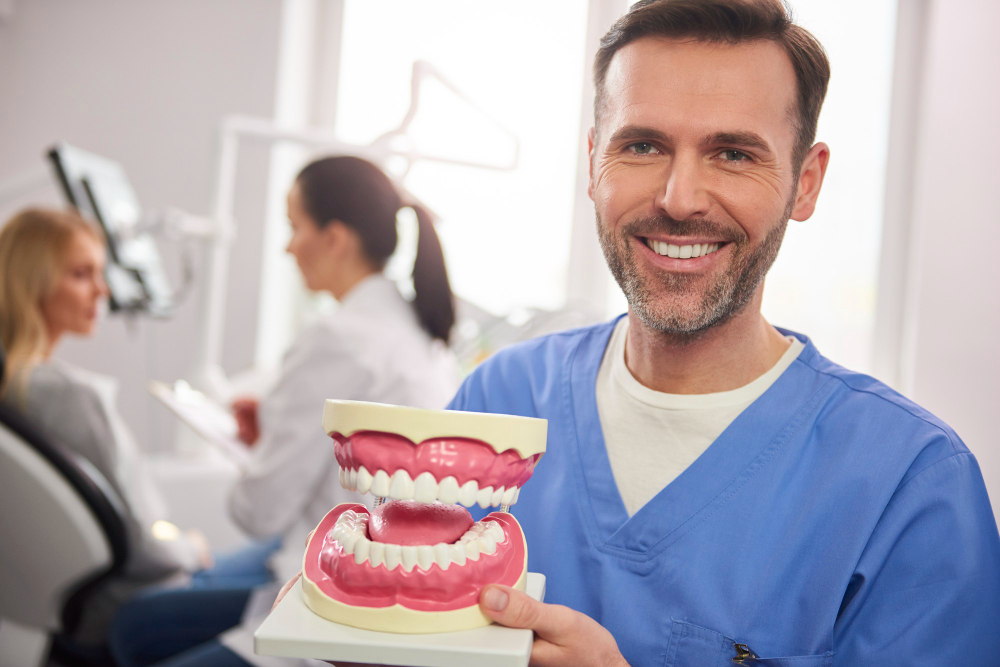
What Are Dentures?
Dentures are removable devices that replace missing teeth. They help people eat, speak, and smile with confidence. Many seniors and adults choose dentures for a better quality of life. In fact, dentures can restore your smile and improve oral health. According to the CDC, millions of Americans use dentures every year. If you are missing teeth, dentures may be a good solution.
Types of Dentures
There are several types of dentures. Each type fits different needs and budgets. Let’s look at the main options:
When choosing, consider your needs and budget. For example, some people search for “affordable dentures near me” to find the best option.
Benefits of Dentures
Dentures offer many benefits. First, they help you chew food better. This means you can enjoy a wider variety of meals. Second, dentures support your facial muscles. As a result, they help you look younger. Third, dentures improve speech, making it easier to talk clearly. Finally, they boost your confidence by restoring your smile. For seniors, the best dentures can greatly improve daily life.
Who Needs Dentures?
Many people need dentures at some point. You may need them if you have lost several teeth due to decay, gum disease, or injury. Seniors often need dentures as they age. However, adults of any age can benefit. If you have trouble eating or speaking, dentures may help. Your dentist can tell you if dentures are right for you.
The Process of Getting Dentures
Getting dentures is a step-by-step process. Here’s what you can expect:
Throughout the process, your dentist will answer your questions and guide you.
Daily Care and Maintenance Tips
Proper care keeps your dentures clean and your mouth healthy. Here are some easy tips:
For more details, ask your dentist about “how to care for dentures.”
Common Challenges and Solutions
Some people face challenges with new dentures. However, most problems have simple solutions. For example:
With time and care, most people adjust well to their dentures.
Prevention of Oral Health Issues with Dentures
Wearing dentures does not mean you can ignore oral health. In fact, good habits are still important. Here’s how you can prevent problems:
Following these steps helps you enjoy the full benefits of your dentures.
Conclusion
Dentures can restore your smile and enhance your quality of life. With various options available, from full dentures to implant-supported ones, there’s a solution for every need. With proper care, dentures can last for years. If you’re considering dentures, talk to a dental specialist. They’ll help you choose the best option for your needs and budget.
Consult a dental specialist at Sreshta Dental Care to find out if dentures are right for you.