
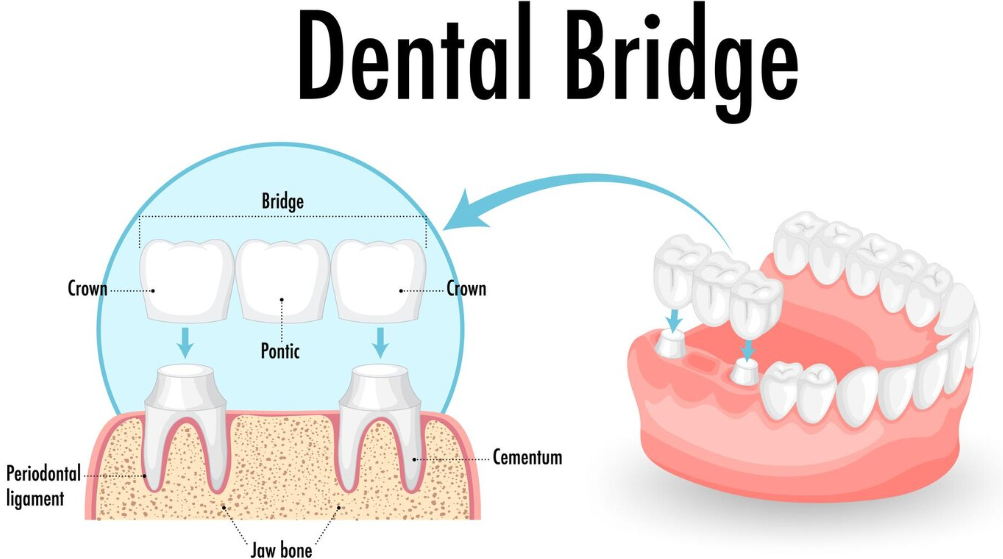
What Are Dental Bridges?
Dental bridges are fixed dental devices. They replace one or more missing teeth. A bridge uses nearby teeth or implants for support. The dentist places a false tooth, called a pontic, in the gap. This helps restore your smile and chewing ability. According to the American Dental Association, dental bridges are a common solution for missing teeth.
Who Needs Dental Bridges?
Many people wonder who needs dental bridges. You may be a good candidate if you have one or more missing teeth. However, not everyone qualifies. Dentists look for certain signs before recommending a bridge. For example, you should have healthy teeth or implants next to the gap. These teeth must be strong enough to support the bridge. Also, your gums should be healthy. If you have gum disease, your dentist may treat it first. In some cases, people with several missing teeth may need other options. Dental bridge candidates often want a fixed, non-removable solution.
Common Reasons for Needing Dental Bridges
There are several reasons why someone may need a dental bridge. Often, people lose teeth due to:
Missing teeth can cause more problems. For instance, nearby teeth may shift into the gap. This can lead to bite issues or jaw pain. Sometimes, missing teeth make it hard to chew or speak. In addition, gaps can affect your appearance and confidence. Dental bridges offer a reliable missing teeth solution for many people.
Benefits of Dental Bridges
Dental bridges provide many benefits. First, they restore your smile. This can boost your self-esteem. Next, bridges help you chew and speak better. They also keep your other teeth in place. Because of this, you can avoid bite problems. In many cases, dental bridges are less invasive than implants. Other benefits include:
According to the CDC, replacing missing teeth can improve your oral health and quality of life.
Considerations and Potential Risks
Although dental bridges are safe, there are some things to consider. For example, the dentist may need to file down healthy teeth to fit the bridge. This can make those teeth more sensitive. Sometimes, bridges may loosen or break over time. In rare cases, decay can form under the bridge. Also, if you do not clean well, gum disease may develop. It is important to discuss all risks with your dentist. They will help you decide if a bridge is right for you.
How Dental Bridges Are Placed
The process for getting a dental bridge is simple. First, the dentist checks your teeth and gums. Then, they prepare the teeth next to the gap. This may involve shaping them to hold the bridge. Next, the dentist takes impressions of your mouth. These help create a custom bridge. While you wait, you may get a temporary bridge. At your next visit, the dentist fits and cements the final bridge in place. Most people need two or three visits in total.
Prevention and Oral Care Tips for Dental Bridges
Proper care is key for dental bridge success. Here are some tips to keep your bridge and mouth healthy:
With good care, dental bridges can last many years. However, if you notice pain or loosening, contact your dentist right away.
Conclusion
Dental bridges are a trusted solution for missing teeth. They offer many benefits and can improve your oral health. Still, not everyone is a candidate. Therefore, consult dentist at Sreshta Dental Care to find out if a dental bridge is right for you.